
What to see and experience in Lanzarote: we show you the highlights for your active holiday
- Local team in Lanzarote
- WhatsApp confirmation within minutes
- Free cancellation up to 24 h before
- Real-time availability
Book your experience now
Most booked experiences — pick your date in seconds
Lanzarote packs some of Europe's most unique landscapes into 845 km²: active volcanoes, turquoise natural pools, viewpoints designed by César Manrique, and protected pristine beaches. This is our selection of the nine essential spots to discover the island in 3, 5, or 7 days, with practical tips on how to get there, the best time to visit each spot and what to combine to save time.
Welcome to Lanzarote! Discover one of the most impressive islands in the world, actively.
An island you don't just visit, you experience it. Discover volcanoes, ocean, and premium outdoor sports experiences 365 days a year.
Discover Lanzarote actively
We don't just show you Lanzarote's most spectacular places. We also help you experience them with unique sports, outdoor and wellness experiences.
Europe's sports island, where professional athletes train for their big challenges
365 days a year for outdoor activities
2.9 million tourists per year and 71% come back
Incredible and very photogenic landscapes between volcanic earth and the Atlantic Ocean
Book now
Benty is the leading sports experience company in Lanzarote – Sign up today for an epic plan!
Some of the island's best experiences don't appear in travel guides. Discover Lanzarote surfing, golfing, playing padel, hiking and much more.
 from €120
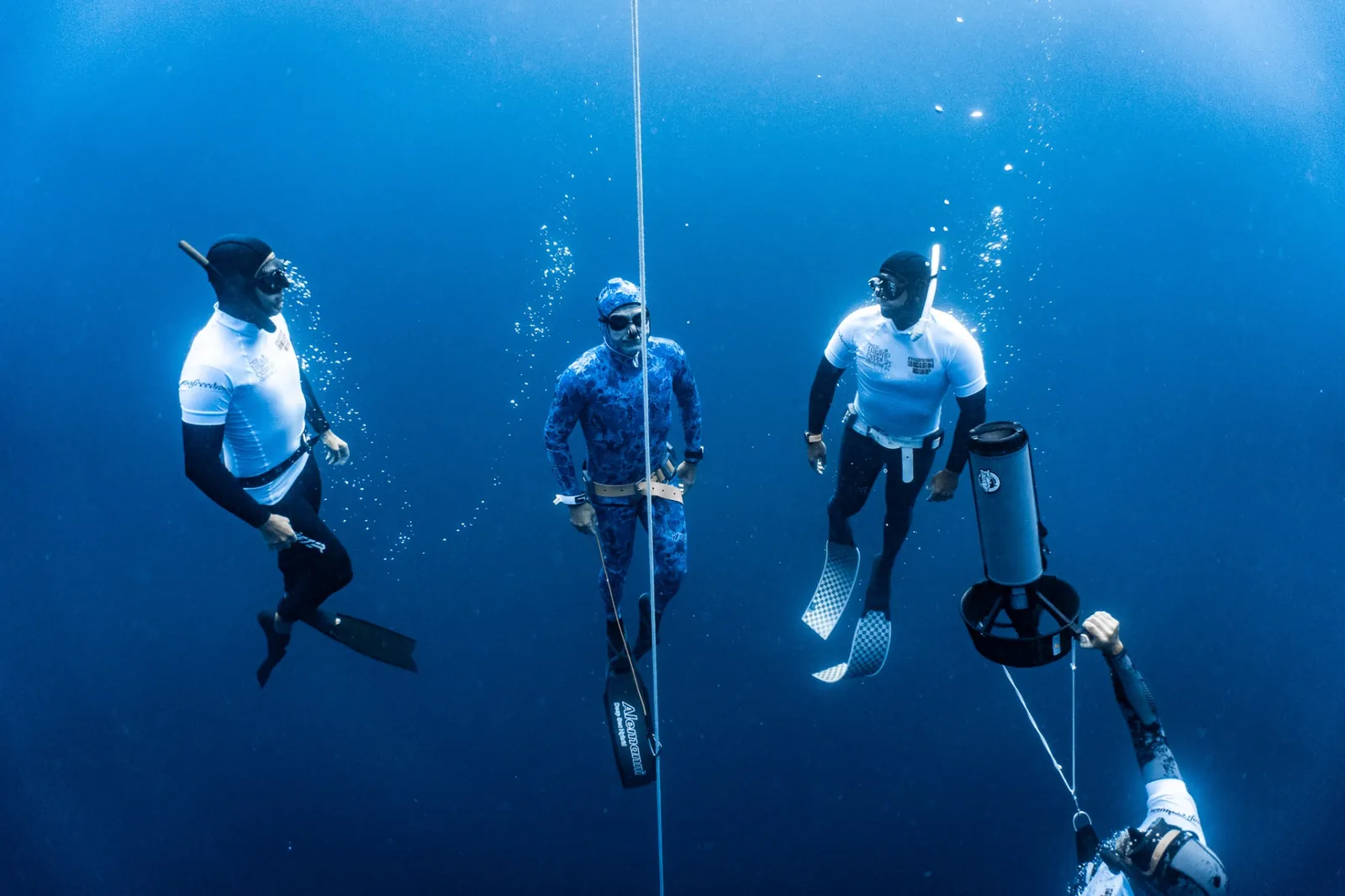
Freediving
Official Level 1 freediving course with certified instructors.
Pick your date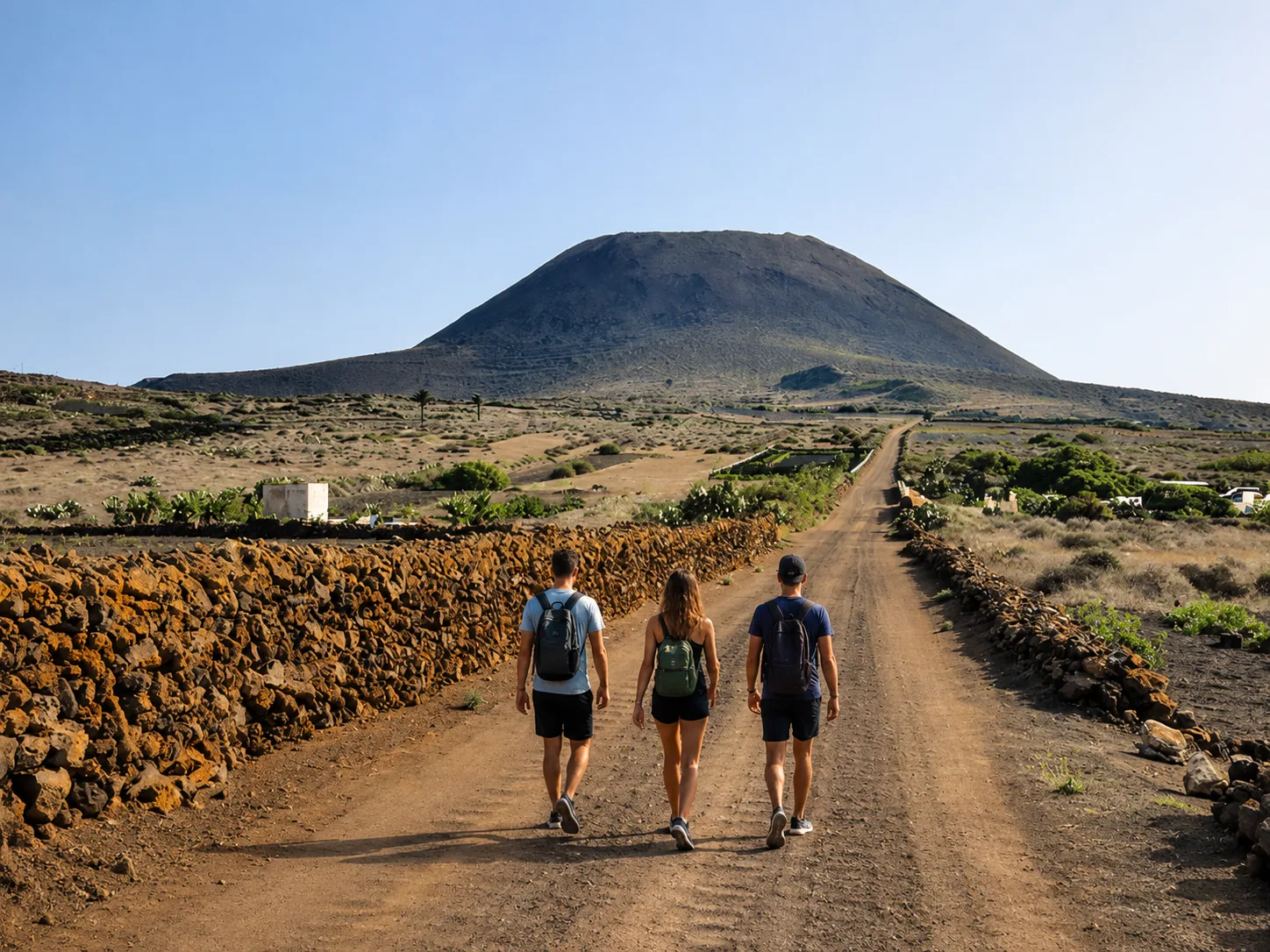 from €50
Hiking
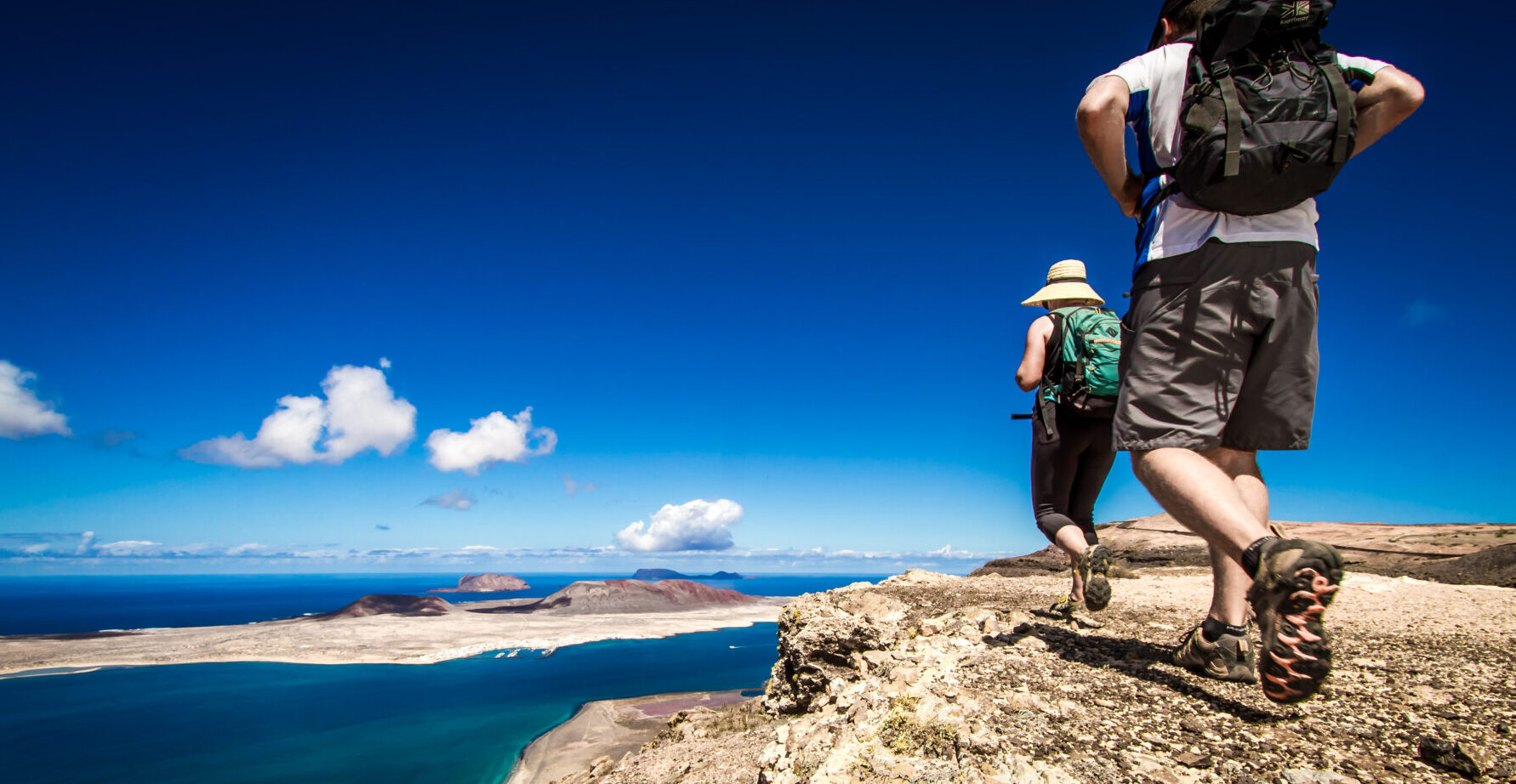
Guided routes through volcanoes, badlands and unique viewpoints.
Pick your date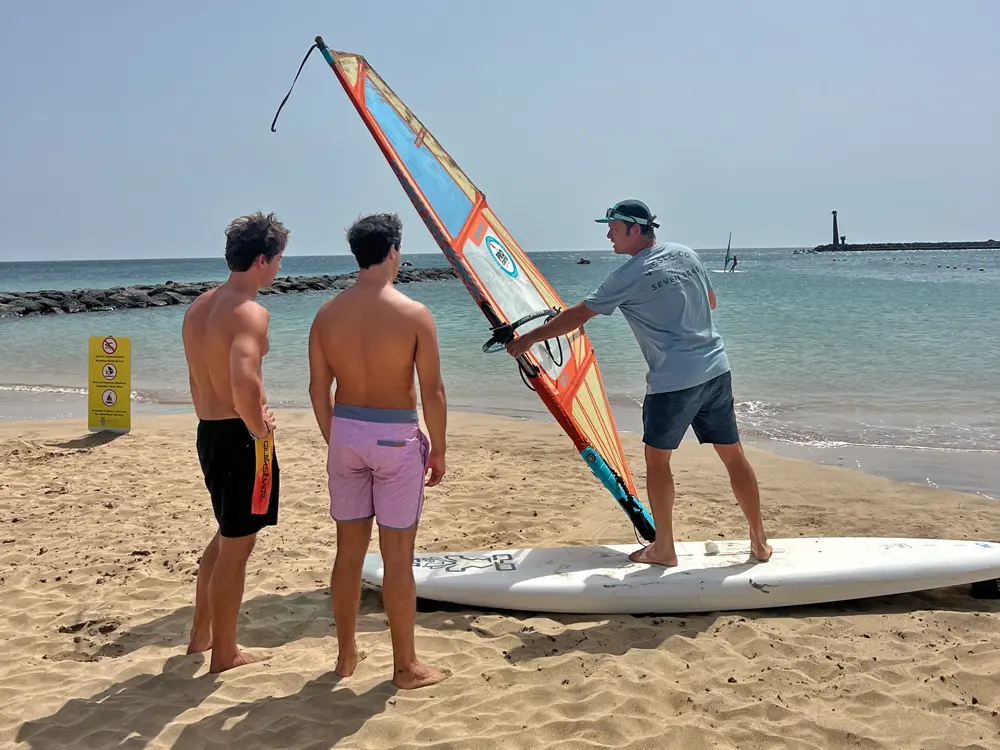 from €60
Windsurf
Costa Teguise
Lessons and rentals in perfect conditions all year round.
Pick your date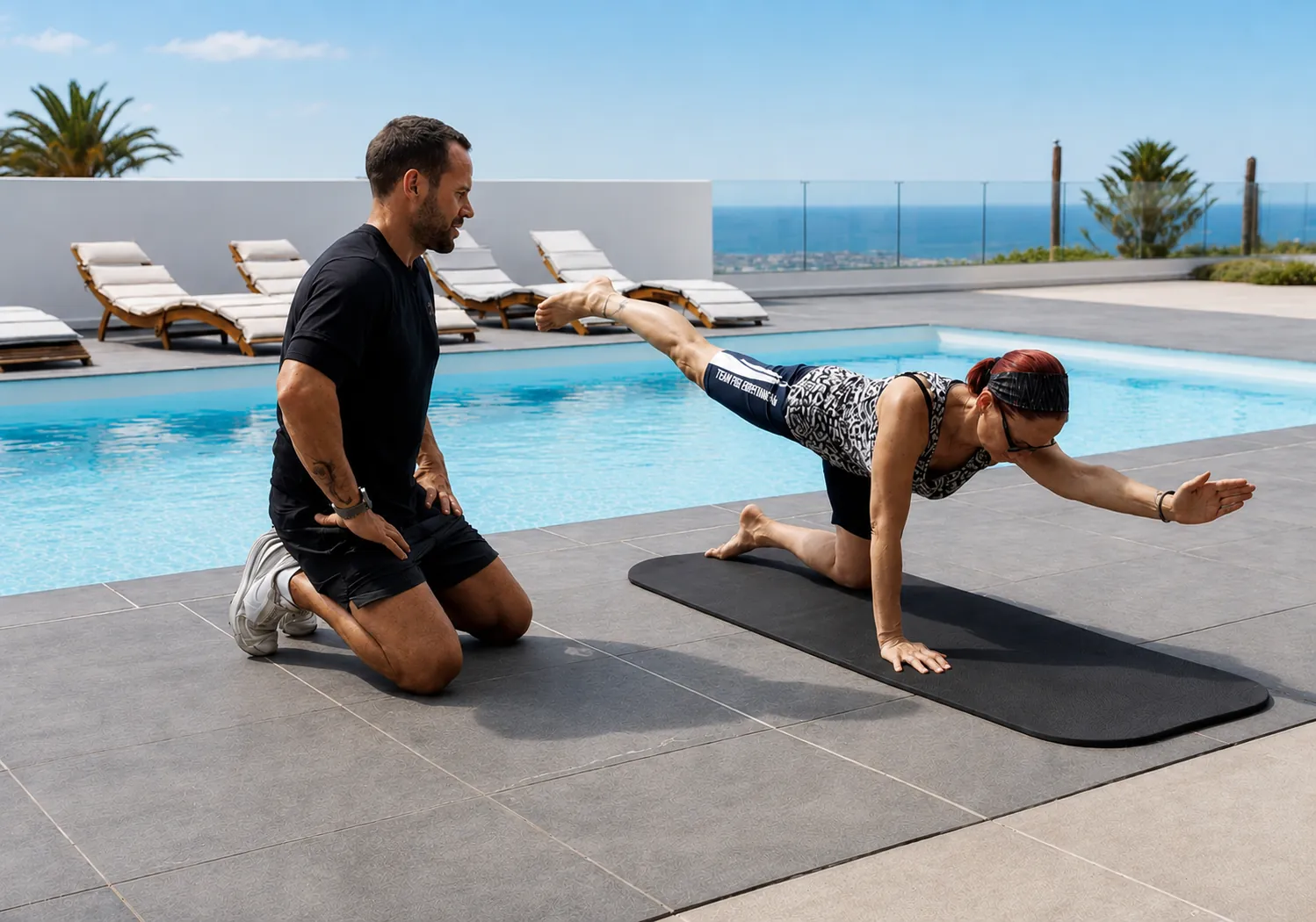 from €75
Medical Fitness
Functional recovery and therapeutic training guided by a specialist at your accommodation in Lanzarote.
Pick your date
Top 3 viral spots in Lanzarote
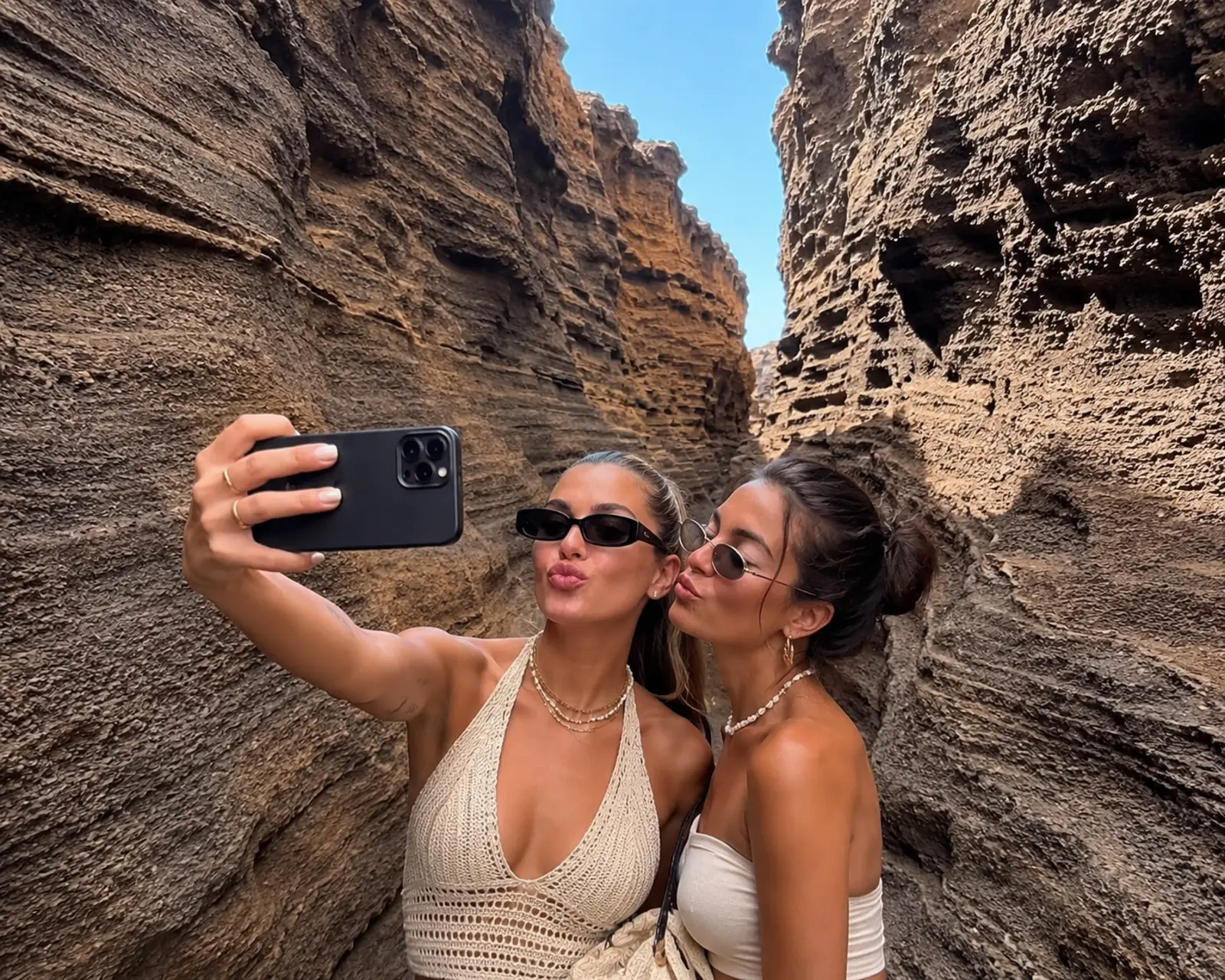
Las Grietas
Tinajo
Spectacular volcanic fissures carved into the hillside of Montaña Blanca. Striated walls of light-colored rock form an almost sculptural natural canyon, with a play of light and shadow that changes every hour. How to get there: free parking at the end of the dirt road from Tinajo; best at sunrise or late afternoon to avoid the heat and capture the best light.
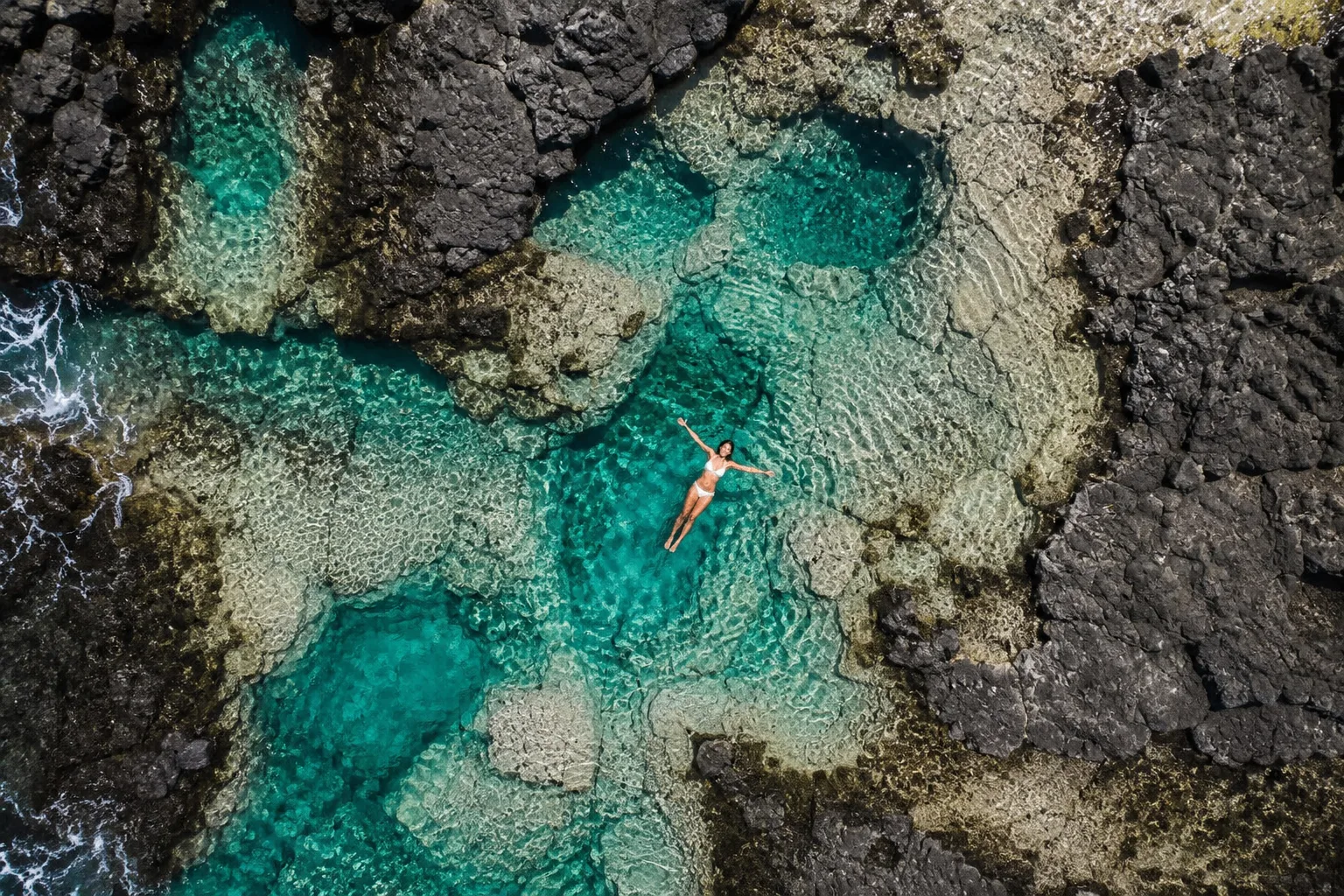
Los Charcones
Playa Blanca
Natural pools of turquoise water sculpted into the volcanic rock of the south. When the ocean calms, the pools become transparent mirrors perfect for floating in the sun. How to get there: 15 min drive from Playa Blanca on a dirt track; go at low tide and calm sea, rock shoes essential.
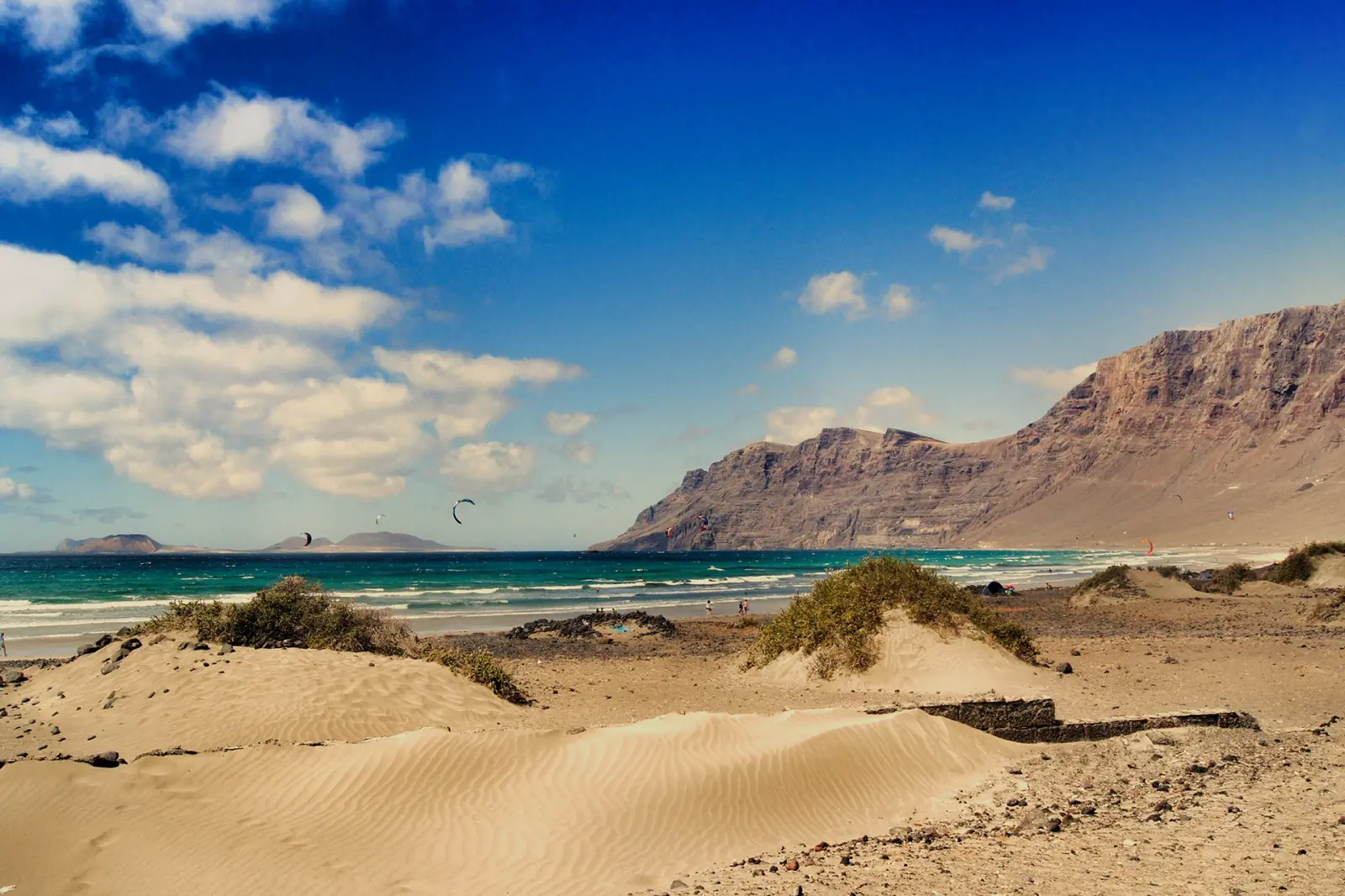
Famara
Teguise
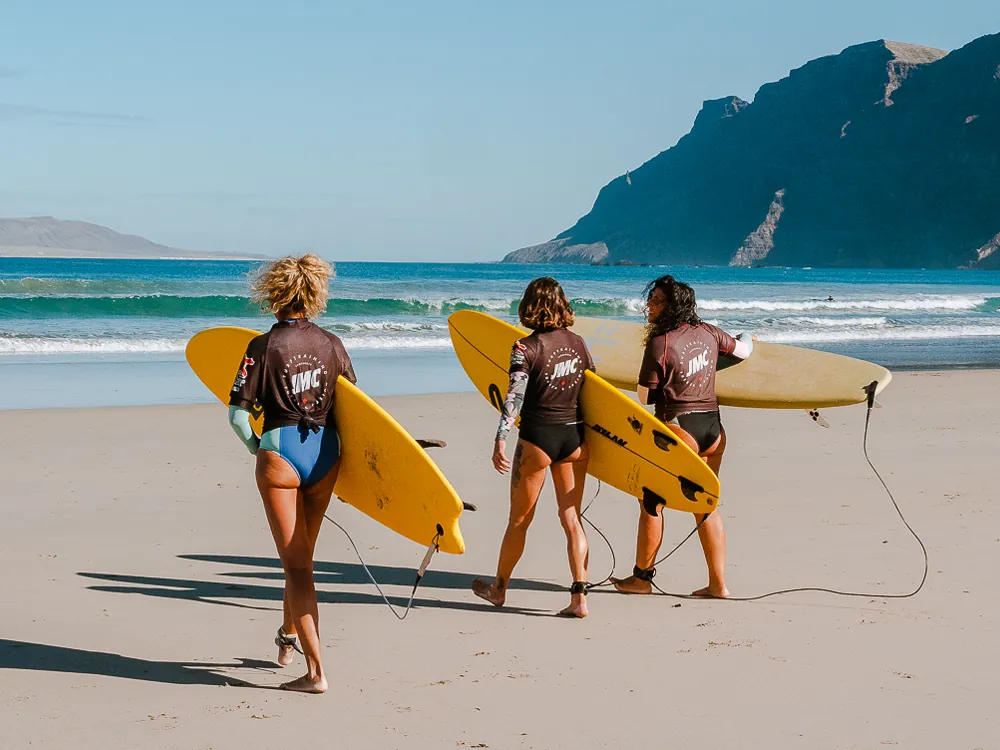
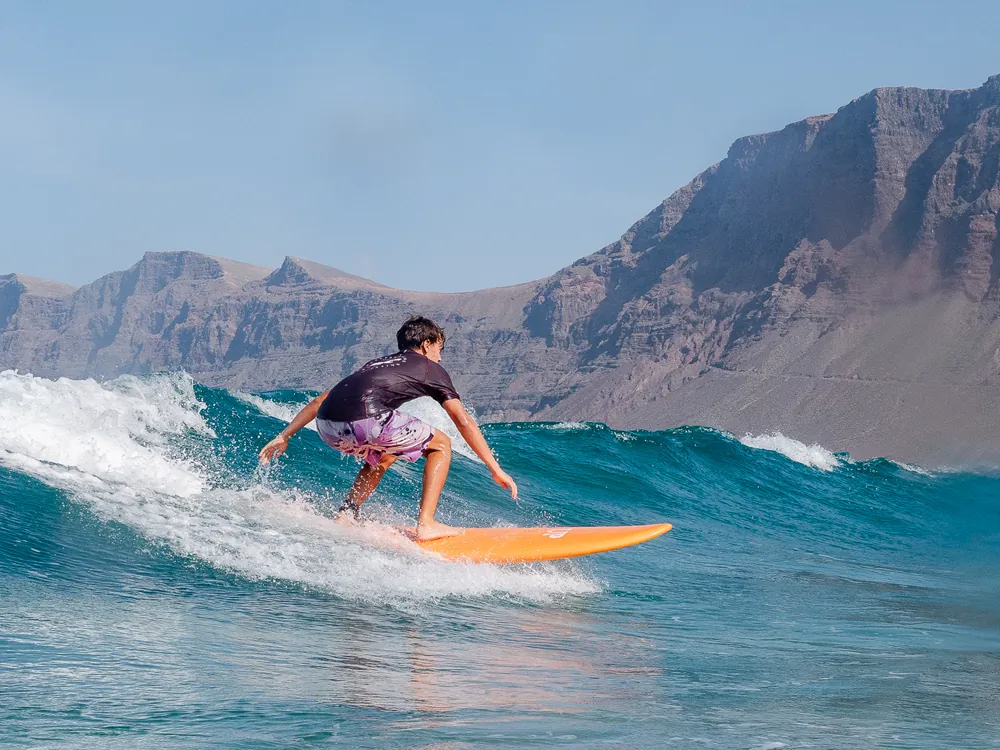
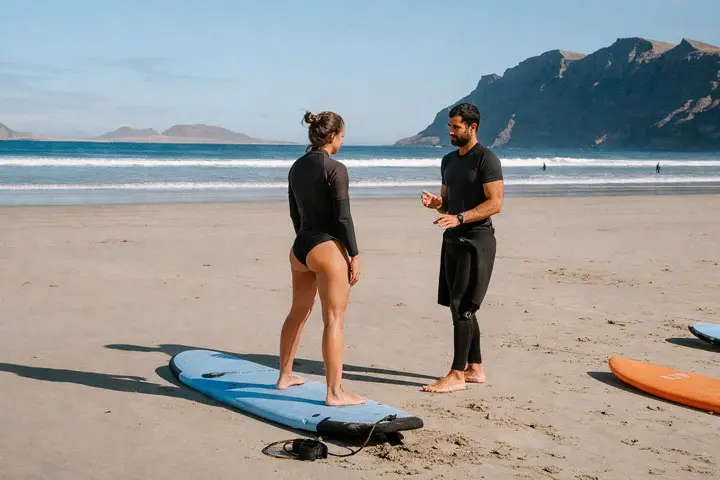
Kilometers of wild beach at the foot of the most imposing cliff in the Canary Islands. Low-lying fog sunsets, silhouetted surfers, and infinite reflections on the wet sand. The mecca of surfing in Lanzarote: if you want to try it, book a class with a local school on our surf page.
Experience Famara from inside the water
More than a stroll, experience Famara beach actively
Famara isn't fully understood until you enter the ocean. With local schools and our VIP program, you discover this mythical place from the most authentic perspective: that of a surfer.

Which are the best days this week for outdoor activities?
Check the 7-day forecast and discover the three best days for your outdoor adventure on the island.
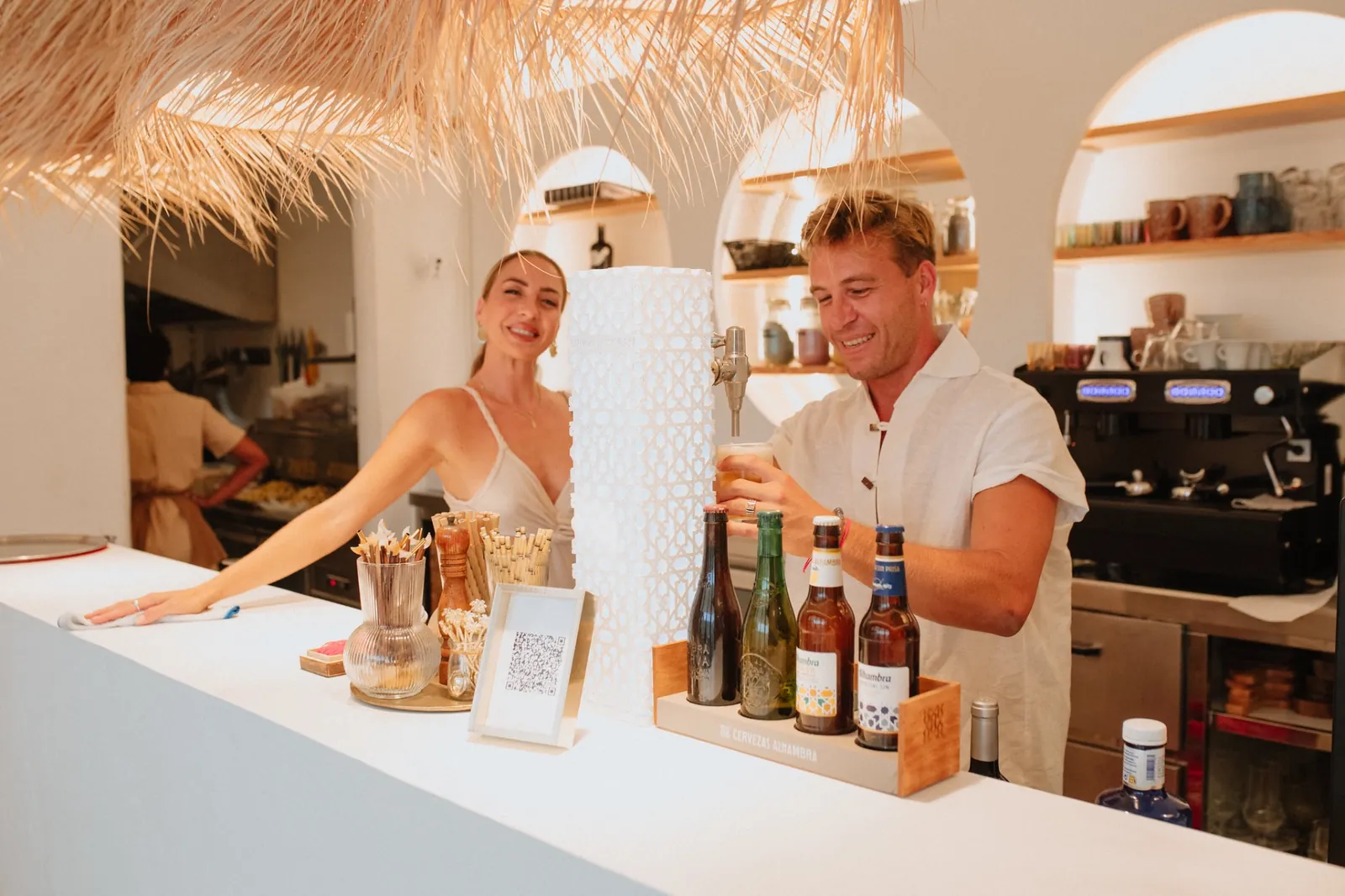
We show you where to have a healthy breakfast and brunch in Lanzarote
Four hand-picked cafés: bowls, toasts, juices and specialty coffee — perfect before or after a workout.
Discover the cafés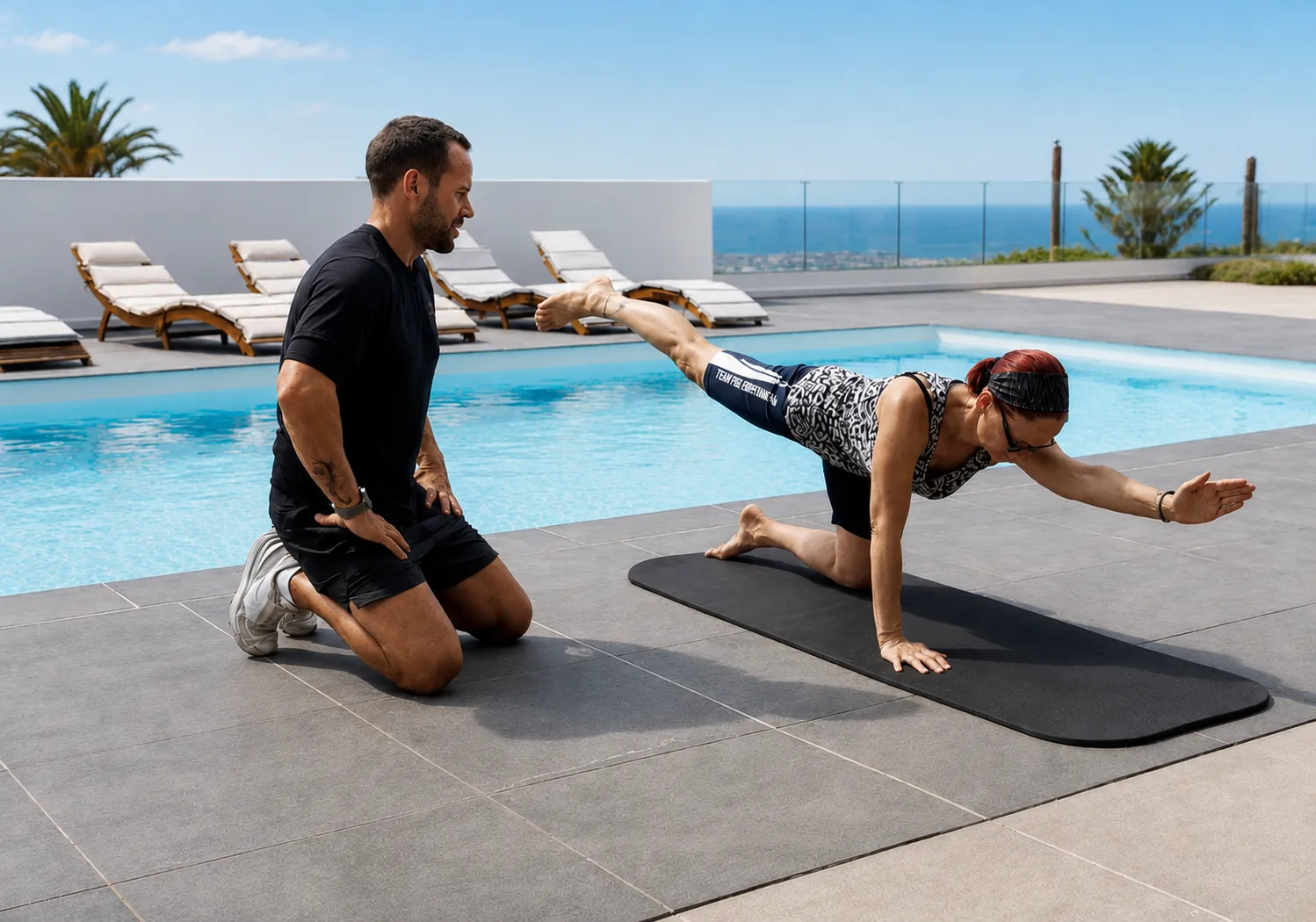
Do you have an injury or are you recovering from an illness? Book a Medical Fitness session with our specialist.
Functional recovery and therapeutic training guided by a specialist at your accommodation in Lanzarote.
Book your sessionMore viral spots in Lanzarote
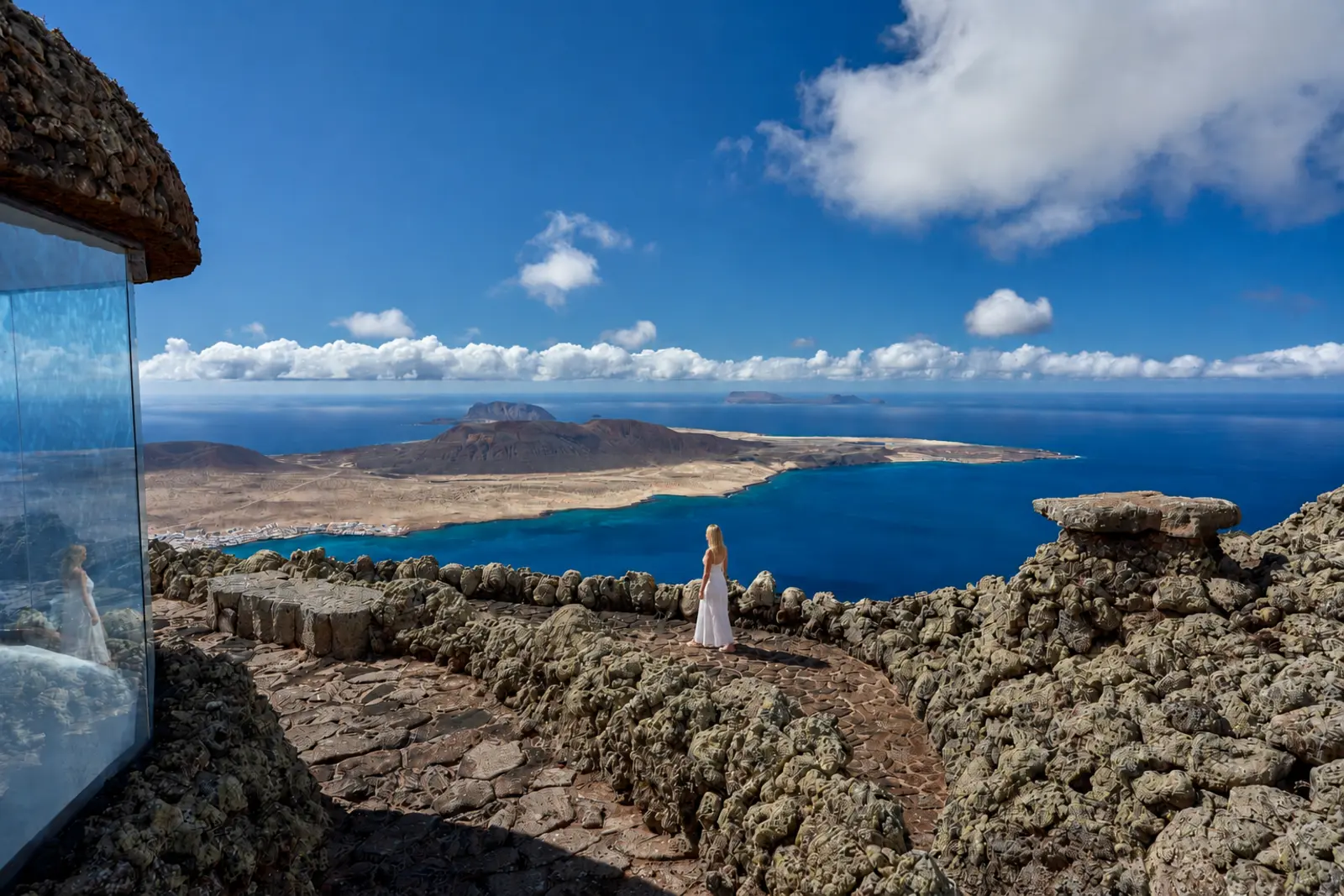
Mirador del Río
Haría
A masterpiece by César Manrique 475 meters above the sea. The views of the Chinijo archipelago and La Graciosa are breathtaking. Paid admission (CACT). Arrive before 11 am or after 4 pm to avoid tourist buses and enjoy the window almost in silence.
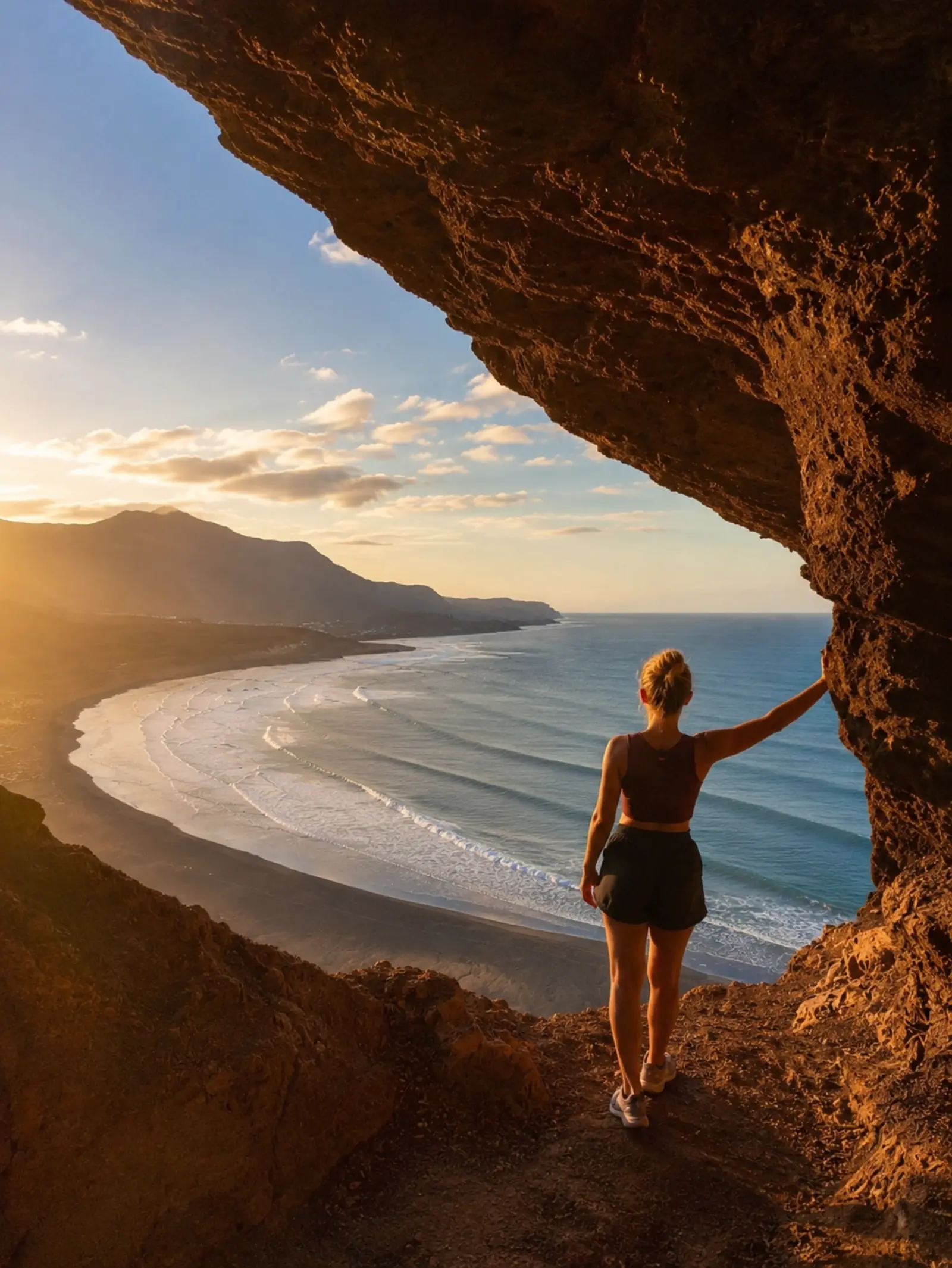
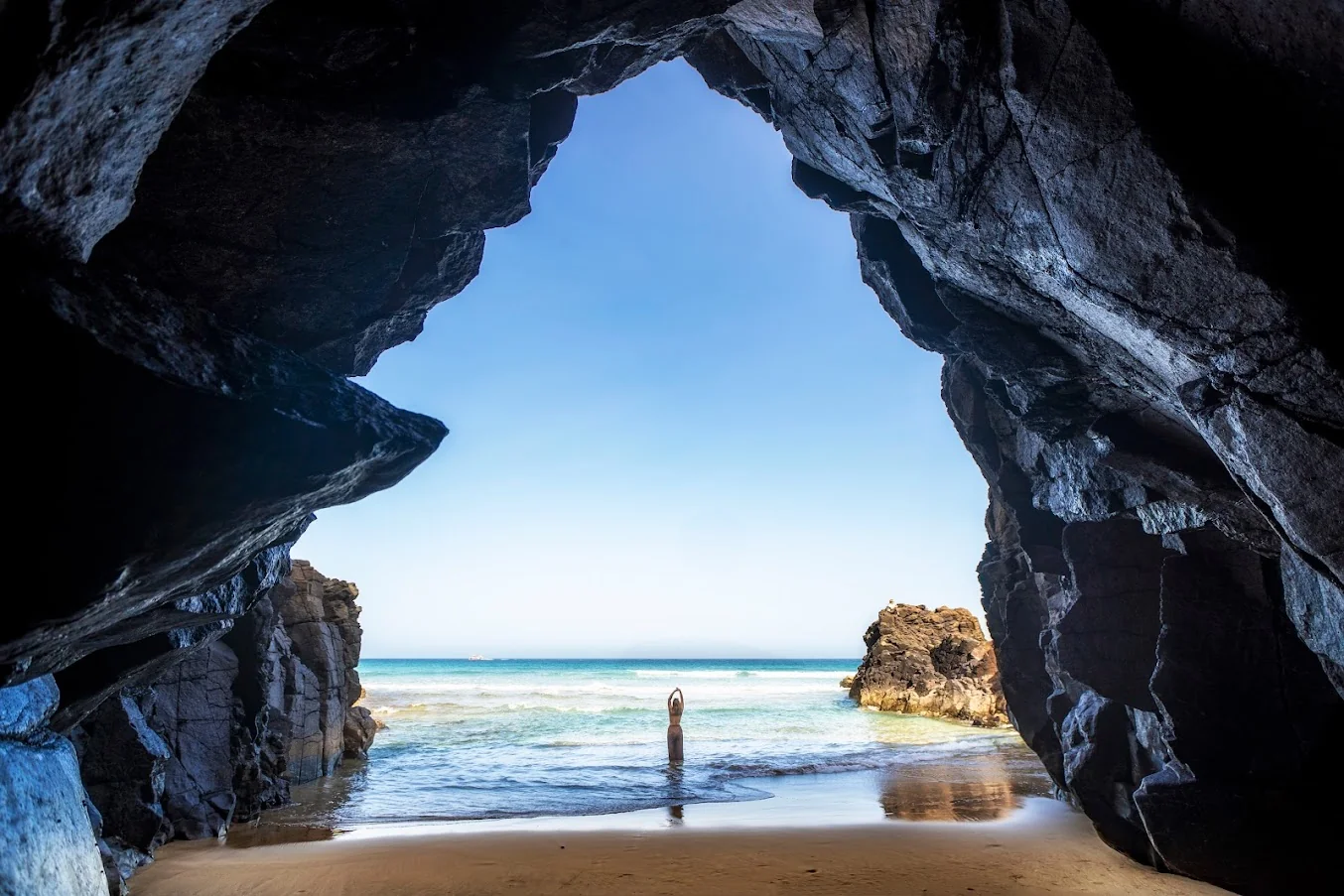
Cueva de las Cabras
Famara
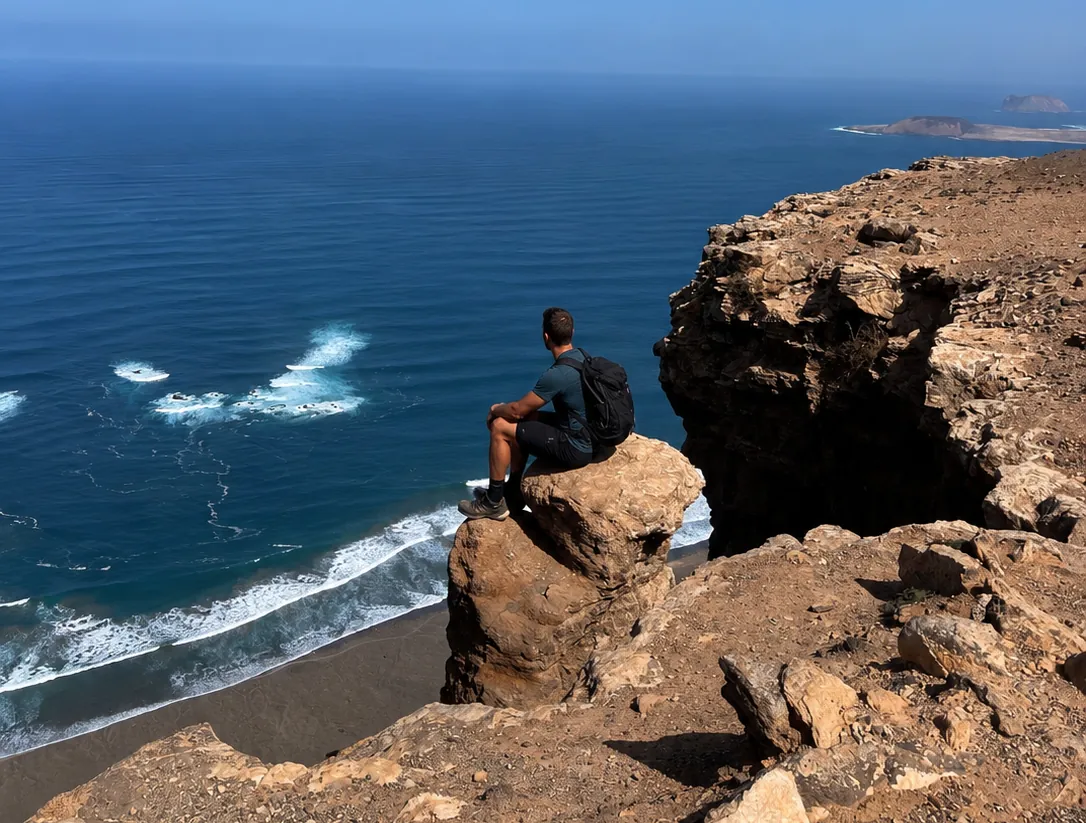
Natural cave framing the immense Famara beach from above. A short walk (15 min, unmarked trail from Soo) rewarded with the perfect frame: golden rock above, ocean and mountains below. Best at sunrise or sunset.
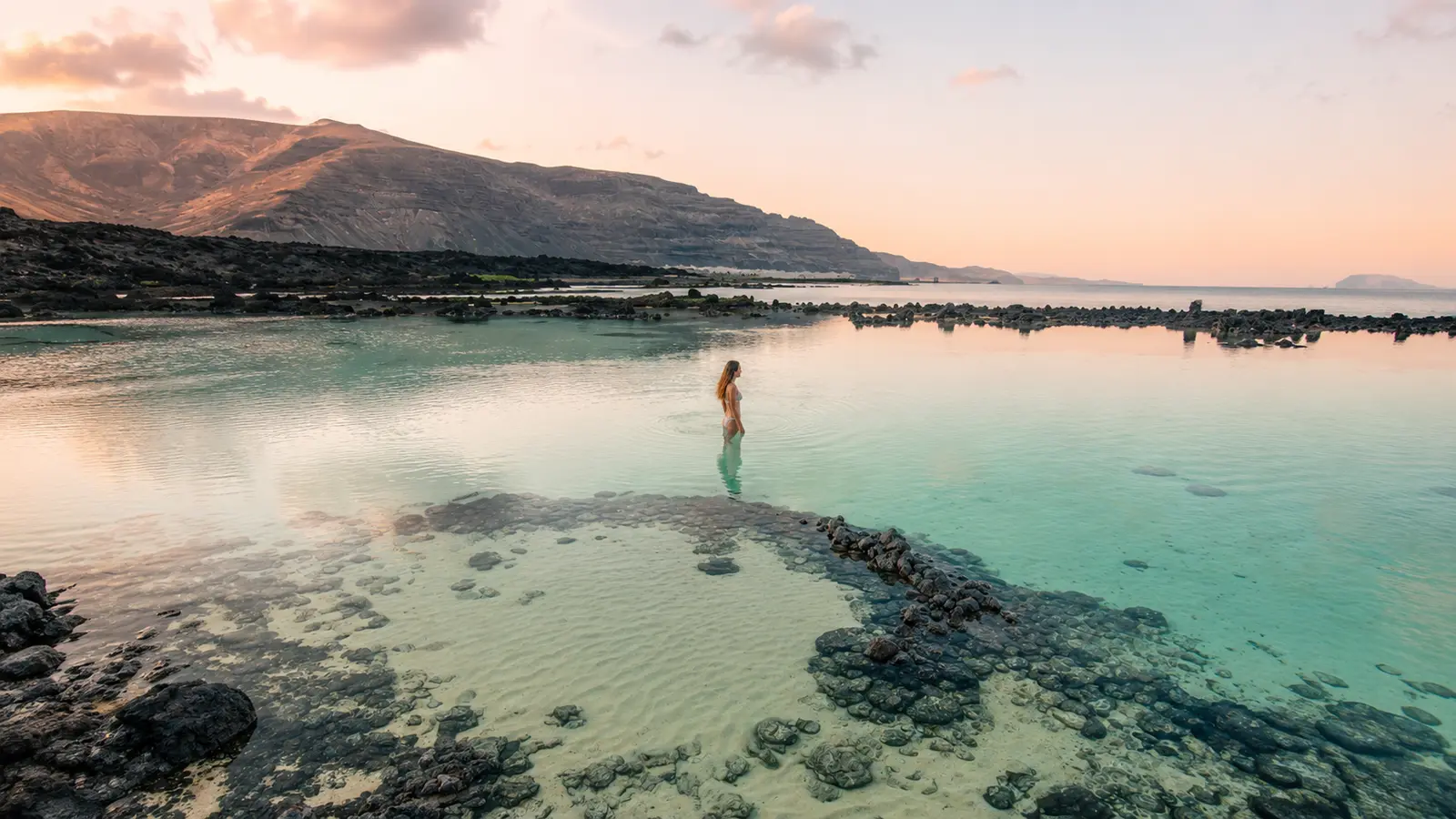
Caletón Blanco
Órzola
Turquoise lagoons on pristine white sand surrounded by black lava, with the mountains of La Graciosa in the background. The color contrast is so unreal it looks like another planet. Free parking next to Órzola; ideal for families due to its shallow waters and excellent snorkeling and freediving in the area.
Discover the island with a local guide
Benty takes you to the most spectacular spots on the island — book your guide now
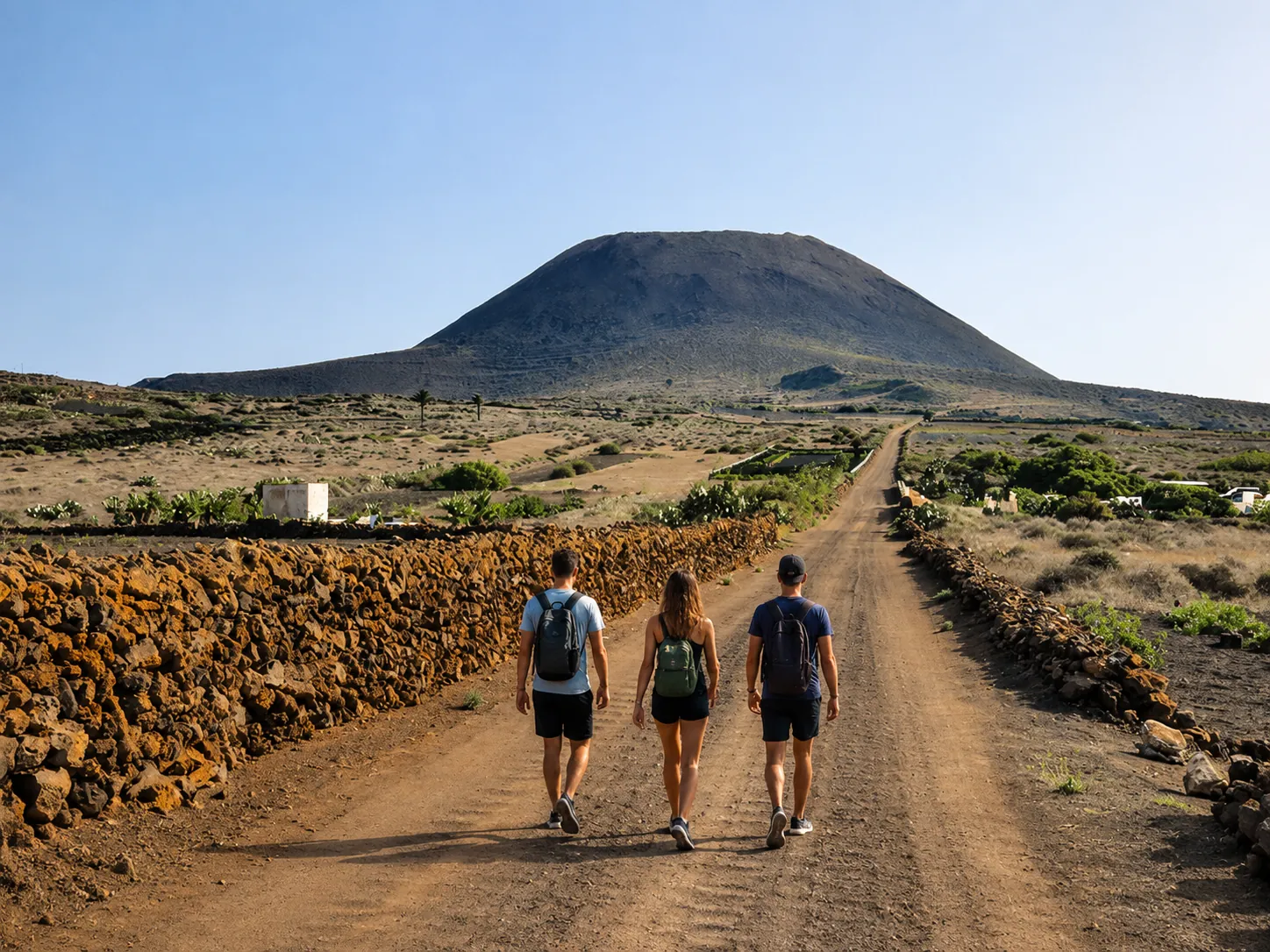
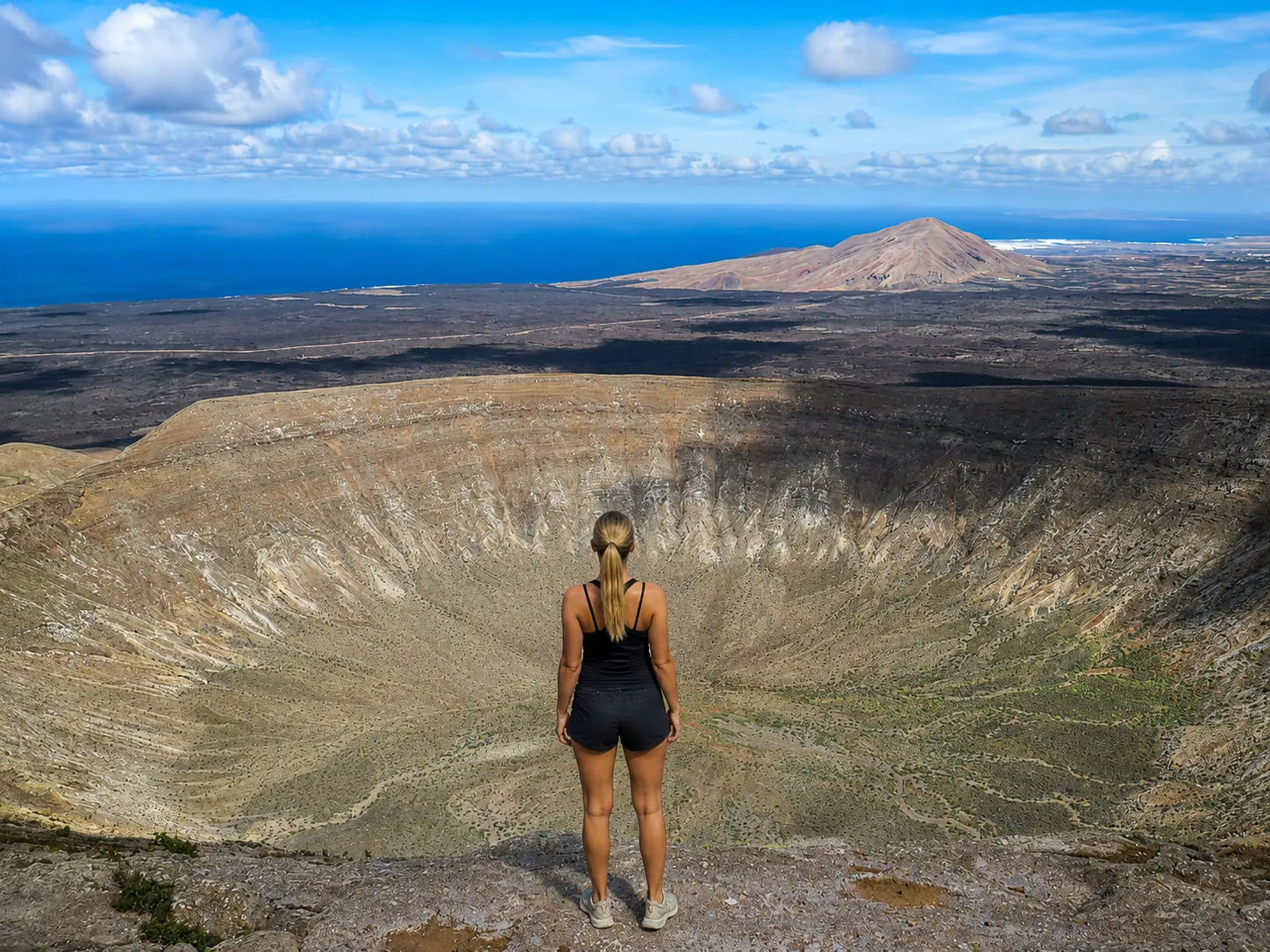
Craters, cliffs, and secret viewpoints that almost no one visits. Our certified local guides take you to the most spectacular corners of Lanzarote on hand-picked routes.
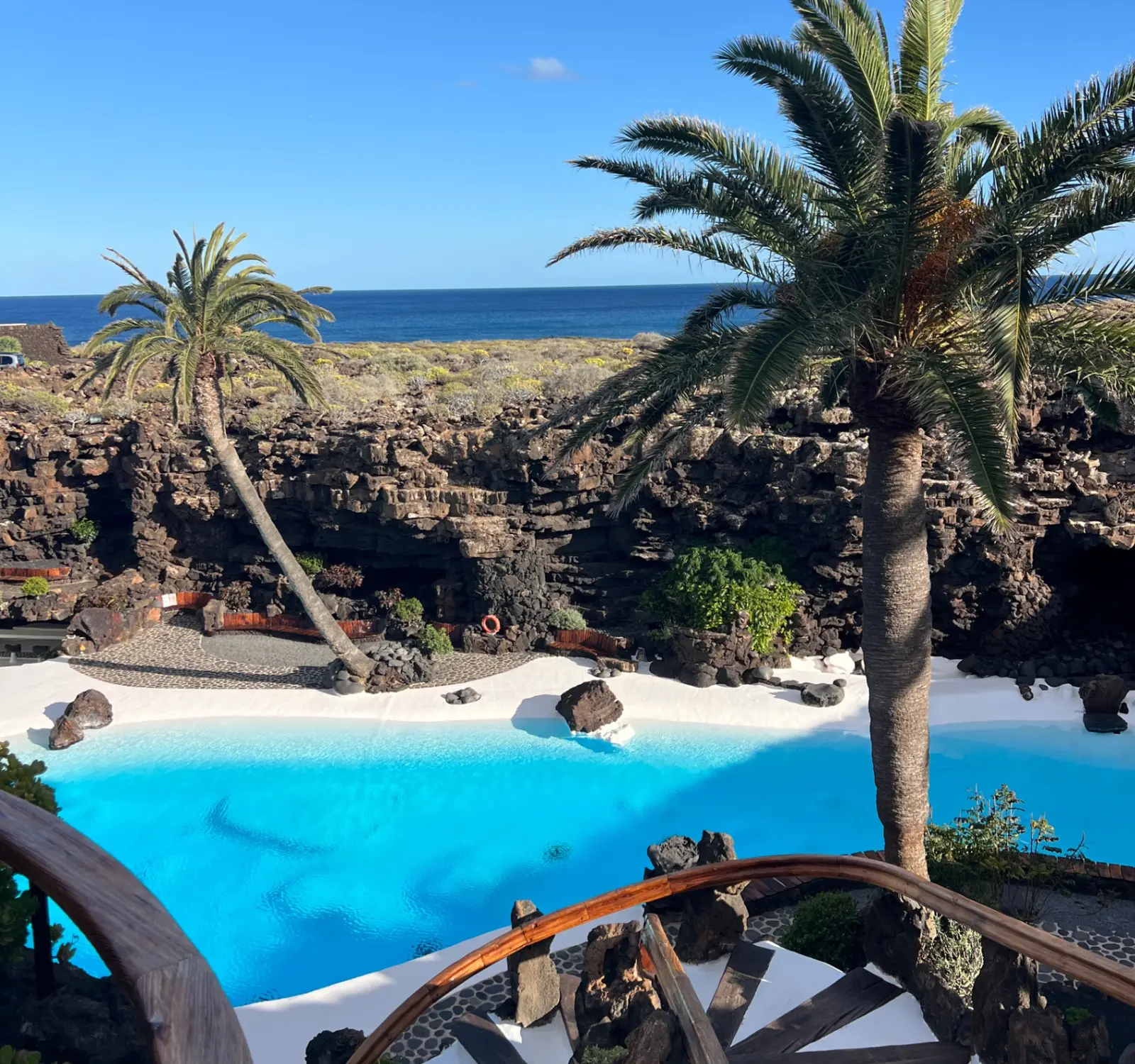
Jameos del Agua
Haría
Volcanic tube transformed into a work of art by César Manrique: an impossibly blue pool, leaning palm trees, a tropical garden, and an underground lake with endemic blind crabs. Entrance fee applies. Combine it with Cueva de los Verdes (5 min by car) on the same morning.
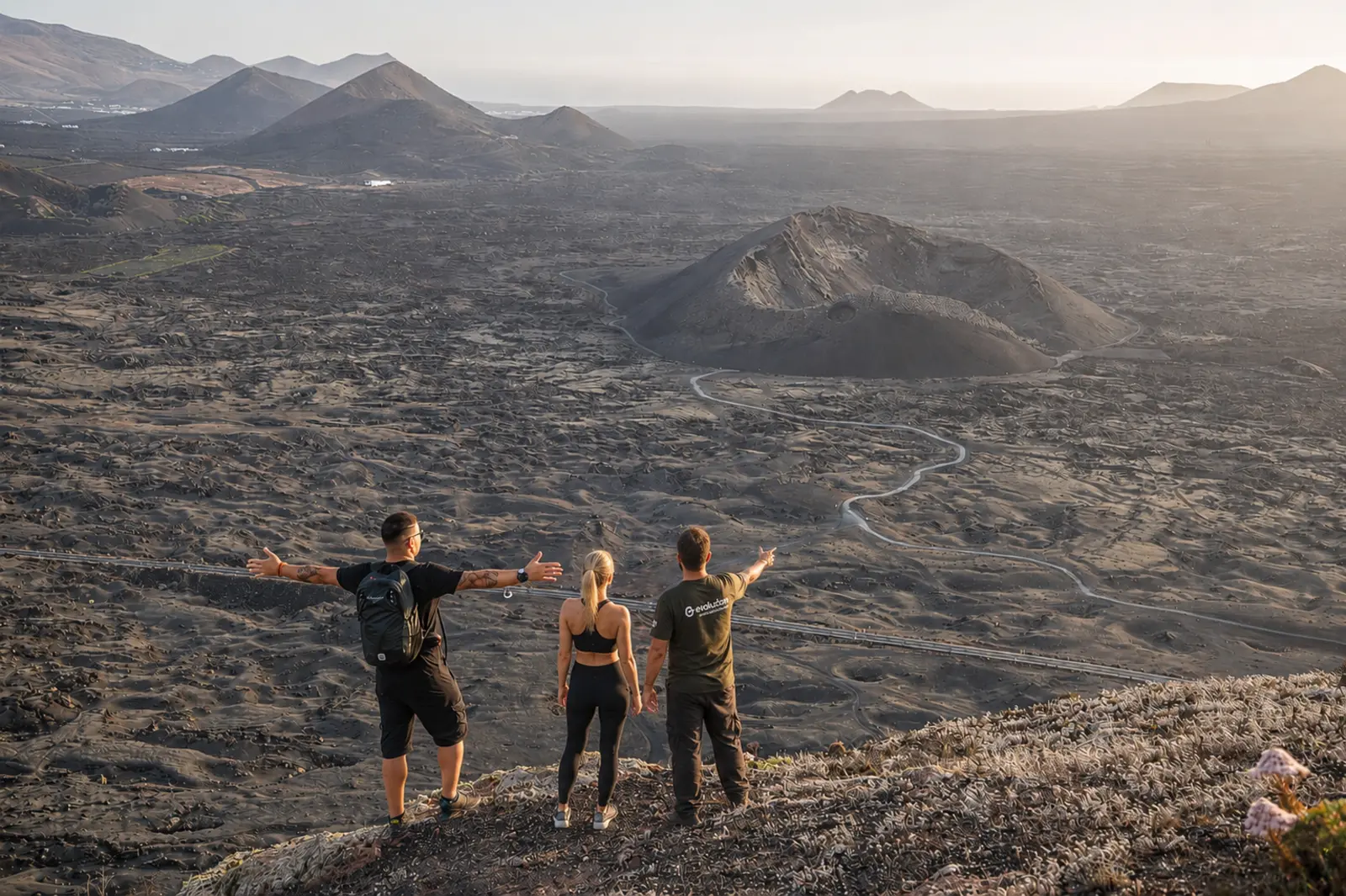
Montaña del Cuervo
Tinajo
Volcanic crater that can be entered by walking through a natural crack in its wall. Being inside the volcano, surrounded by reddish walls and absolute silence, is one of the most breathtaking experiences on the island. 4 km circular route from the LZ-56 parking, easy and free.
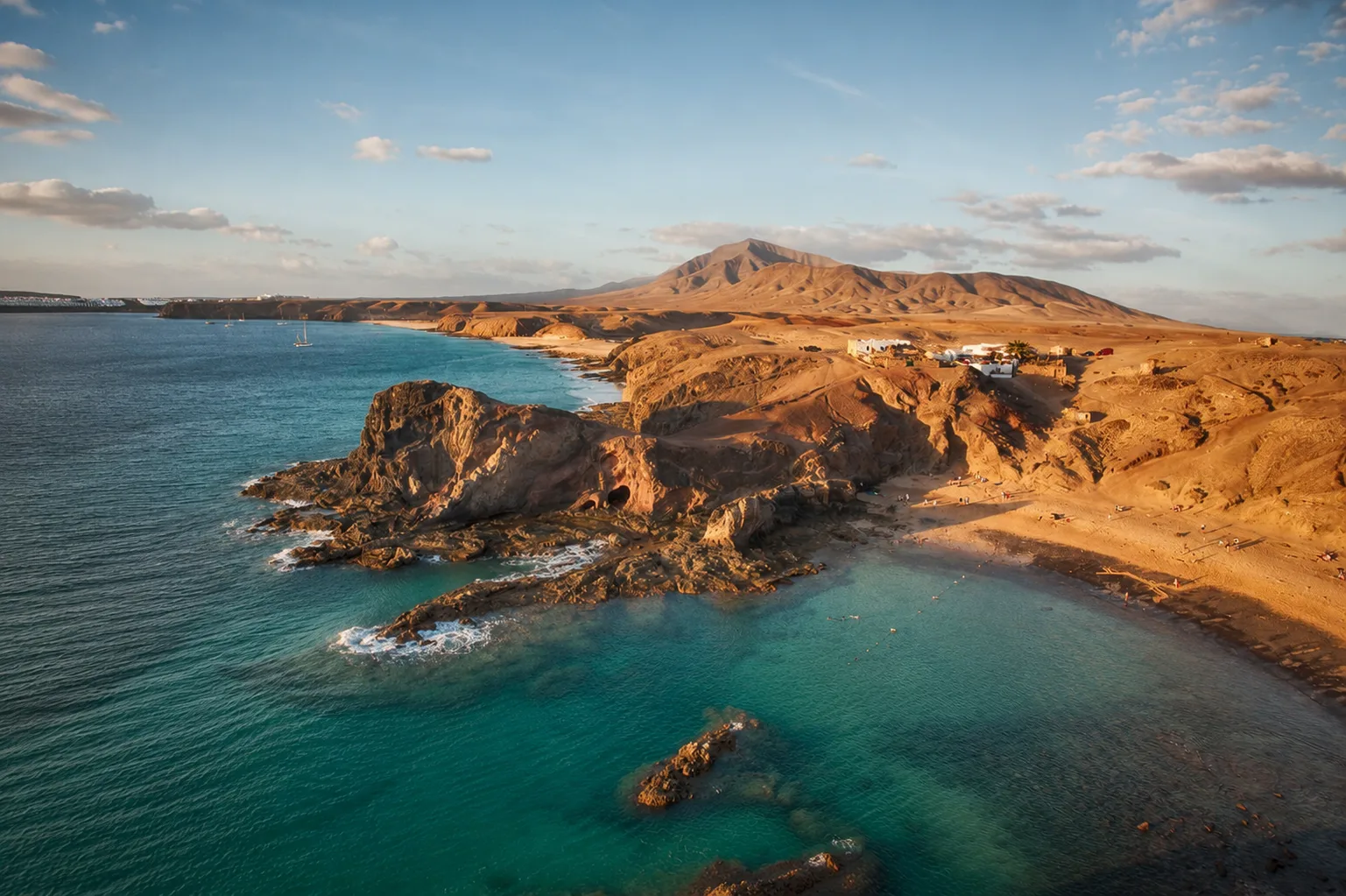
Playa de Papagayo
Playa Blanca
One of Lanzarote's most iconic coves: golden sand, turquoise waters, and ochre cliffs dropping into the sea. A pristine protected landscape within the Los Ajaches Natural Monument, perfect for swimming, snorkeling, or watching the sunset. Access by car with a toll (€3) or on foot from Playa Blanca (30 min).
Experience Playa de Papagayo actively
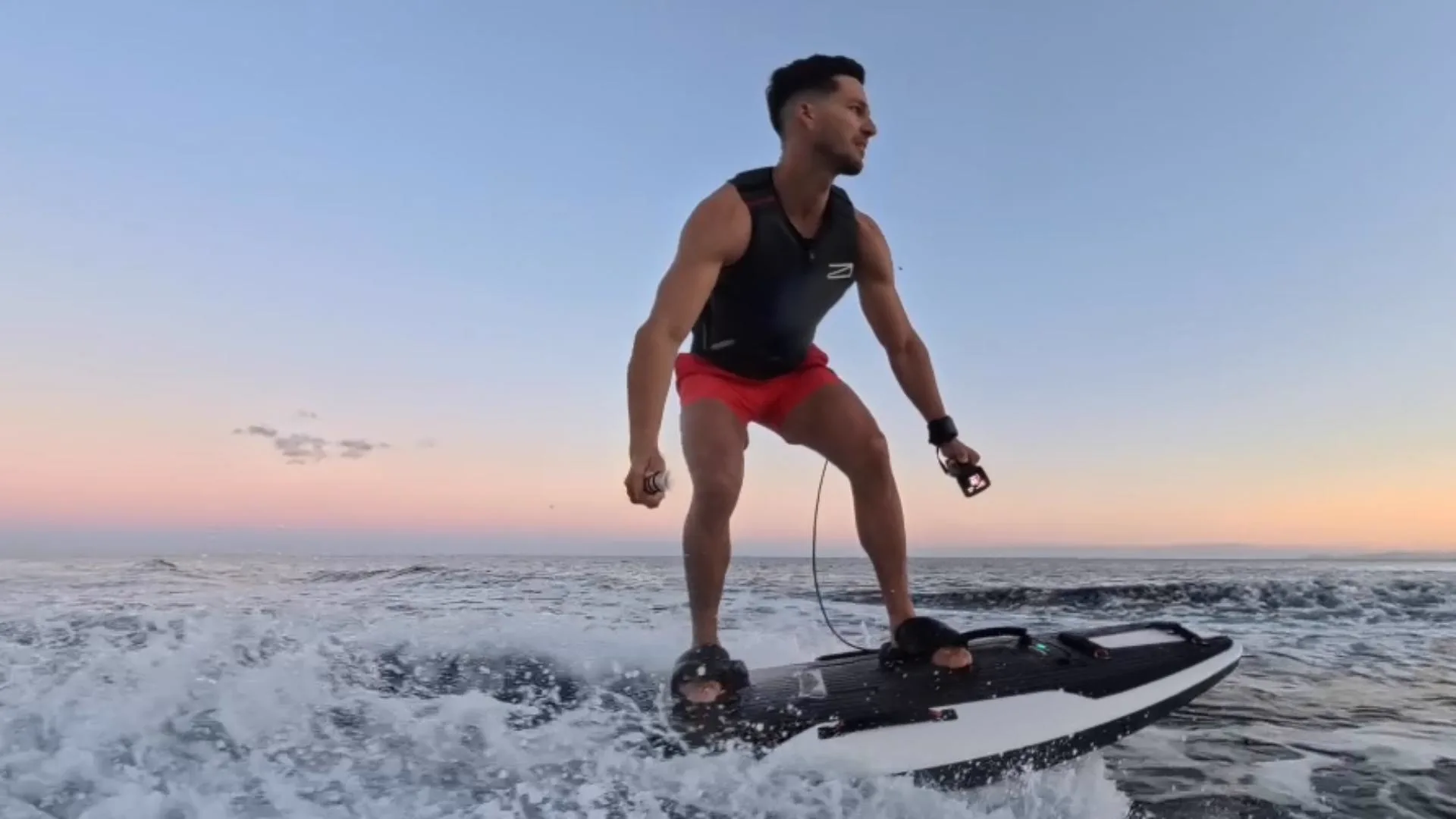
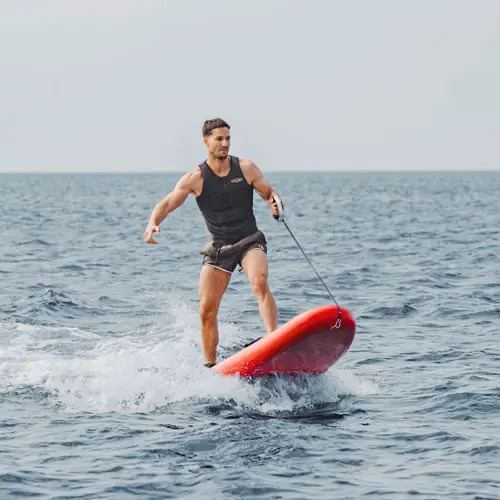
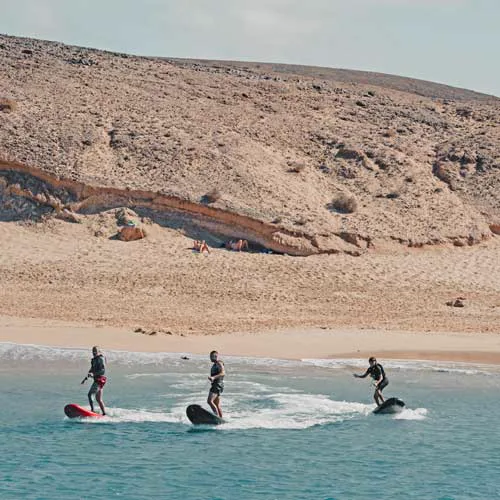
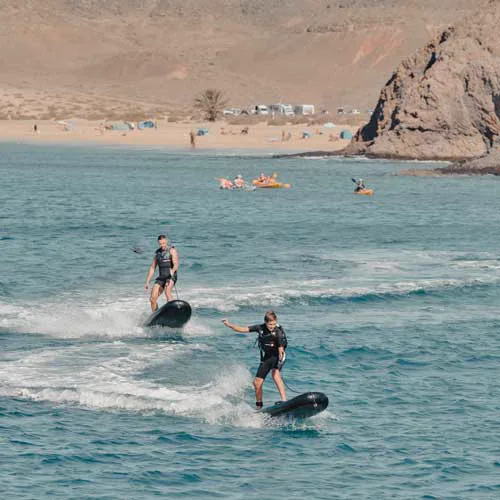
Experience Playa de Papagayo actively and from the water — book your eSurf experience (no prior knowledge needed):
Discover Papagayo from the sea on an electric board. Boat departure from Playa Blanca, no experience needed.
Book your sports experience
Time to discover the island differently. Find sports, outdoor and wellness experiences hand-picked by local experts.
Frequently asked questions
- What are the must-sees in Lanzarote?
- The most essential and photogenic spots are Las Grietas, Los Charcones, Famara, Mirador del Río, Cueva de las Cabras, Caletón Blanco, Jameos del Agua, Montaña del Cuervo, and Playa de Papagayo. With 3-4 days you can discover all these viral corners.
- What to see in Lanzarote in 3 days?
- Day 1 (south): Los Charcones, Papagayo Beach and sunset at El Golfo. Day 2 (center and Timanfaya): Timanfaya National Park, La Geria Wineries and Montaña del Cuervo. Day 3 (north): Mirador del Río, Jameos del Agua, Cueva de los Verdes and Caletón Blanco. If you add a fourth day, dedicate it to Famara and surfing.
- What's the best month to visit Lanzarote?
- Lanzarote boasts 300 days of sunshine a year and temperatures between 18 and 28 °C year-round. The best months are April to June and September to November: ideal weather, warm sea, and fewer tourists. July and August are the busiest; January and February are the quietest with good waves for surfing.
- Lanzarote or Fuerteventura, which to choose?
- Lanzarote stands out for its unique volcanic landscape, the artistic legacy of César Manrique (Jameos, Mirador del Río, Timanfaya) and a richer cultural offering. Fuerteventura has longer beaches and whiter sand. If you're looking for spectacular landscapes, gastronomy, and culture, choose Lanzarote; if you're only going for the beach, Fuerteventura.
- How many days do you need to see Lanzarote?
- With 4-5 days, you can comfortably see the essential sights. With 7 days, you'll have time to combine cultural visits with sports, the beach, and a trip to La Graciosa.
- What is the best area to stay in Lanzarote?
- Puerto del Carmen and Costa Teguise are the most complete tourist areas. Playa Blanca is ideal for families and for visiting Papagayo. Famara is the best option for surf lovers and natural scenery.
- Who was César Manrique and why is his mark all over the island?
- César Manrique (1919–1992) was a Lanzarote artist who designed most of the island's Centres of Art, Culture and Tourism (Jameos, Mirador del Río, Jardín de Cactus, Mirador del Timanfaya). His vision—respecting the volcanic landscape—shaped the architectural identity of all Lanzarote.
- Can you combine tourism with sports activities?
- Yes, it is the best way to discover Lanzarote. A morning of hiking through Timanfaya, an afternoon of surfing in Famara or a day of sailing from Puerto Calero are the perfect mix of culture, nature and sport. You can book the best sports experiences directly here on Benty.
Not sure which plan is best for you?
No problem, we'll advise you individually. Write us on WhatsApp and we'll create a free adventure recommendation for you. We speak English, German and Spanish fluently.