
Lanzarote Holiday Tips
Everything we wish we had known before our first visit: weather, budget, transport, hidden beaches, local food and the classic tourist traps. A no-marketing guide written by people who actually live here.
What to know first
Best time to visit
Lanzarote has stable weather year-round (18–28 °C). Spring (March–June) and autumn (September–November) are ideal: mild temperatures, fewer tourists, lower prices. December–February is perfect for escaping the European cold.
Renting a car is almost a must
The island is small (60 km long) but public transport is limited. Book in advance (30–45 €/day). Distances are short and a car gives you access to hidden coves and viewpoints.
How much money to budget
Lanzarote isn't cheap: average daily budget per person 80–120 € (mid-range hotel, food, one activity). Cards accepted nearly everywhere; carry 50–100 € cash for markets and small beach bars.
What to pack
Swimsuit and SPF 50+ sunscreen (the sun is strong all year). Light windbreaker (the Atlantic breeze is constant). Trekking shoes for Timanfaya or Famara. Snorkel and fins if you plan to swim.
Language and connectivity
Spanish is the local language. English is widely spoken in tourist areas (Puerto del Carmen, Playa Blanca), less so inland. Mobile coverage is excellent. Free WiFi in almost every restaurant.
What NOT to do
Don't touch marine wildlife (heavy fines). Don't leave the path in Timanfaya. No beach bonfires. Don't buy suspicious "lava" souvenirs — protected by law. And please respect water consumption: it's a scarce resource here.
Balanced 5-day plan
A route combining culture, beach, sport and food without burning out.
- Day 1
Arrival & North
Mirador del Río, Jameos del Agua, Cueva de los Verdes, dinner in Haría.
- Day 2
Timanfaya & volcanoes
National Park in the morning, lunch in La Geria with volcanic wines.
- Day 3
Sport & sea
Surfing in Famara or sailing from Puerto Calero. Free afternoon at the beach.
- Day 4
South & Papagayo
Morning at Papagayo, lunch at Marina Rubicón, eSurf at sunset.
- Day 5
Manrique culture
Fundación César Manrique, Tahíche and Teguise market (Sundays).
Combine your holiday with the best of sport
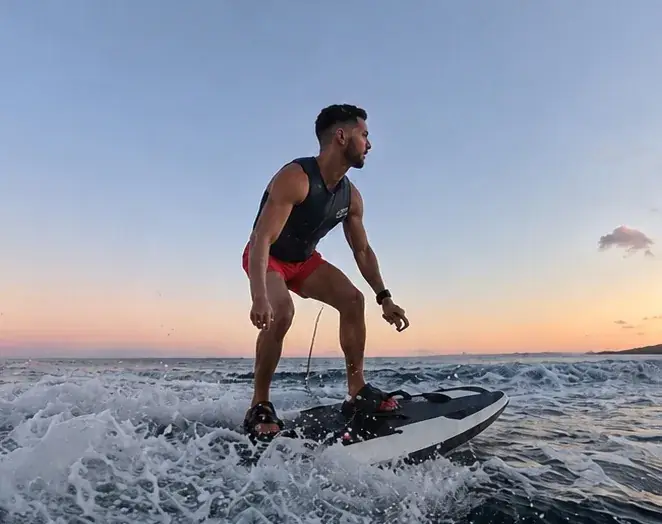
eSurf
Electric surfing from Marina Rubicón. No waves, no wind — just you and the sea. Lanzarote's new premium experience.
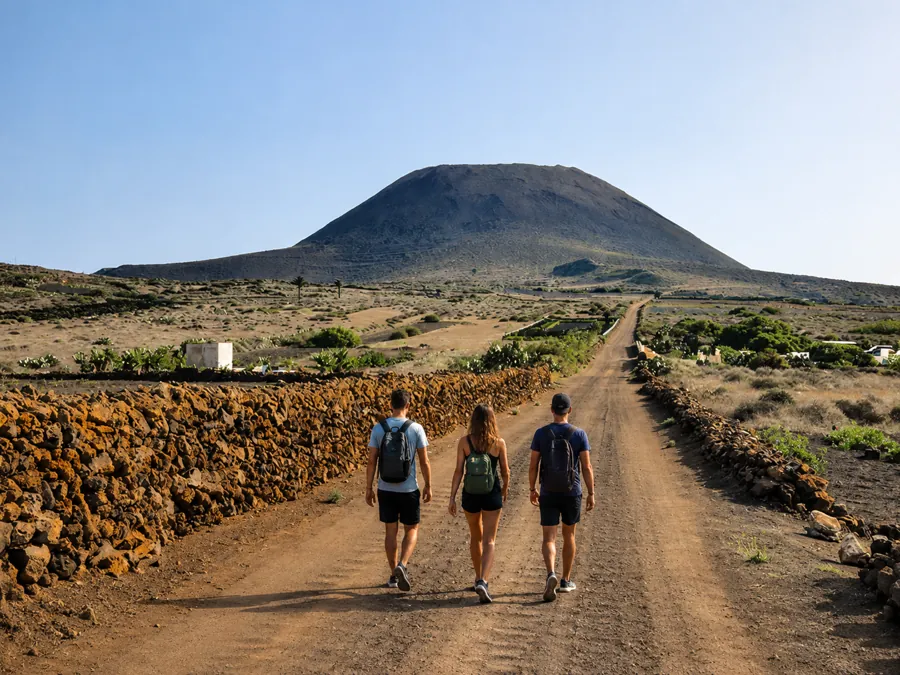
Hiking
Caldera Blanca, Risco de Famara, Volcán de la Corona. Guided routes through volcanoes and cliffs — for every level.
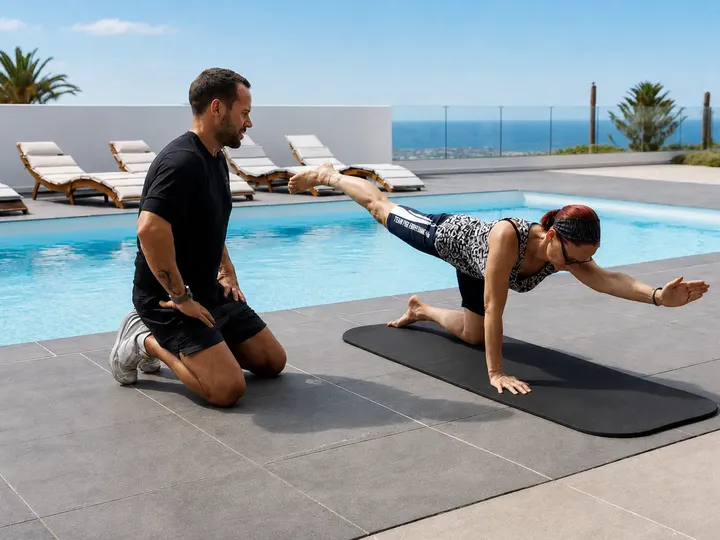
Medical Fitness
Recover strength, mobility and confidence after injuries, surgery or oncological treatments. One-to-one sessions at your accommodation.
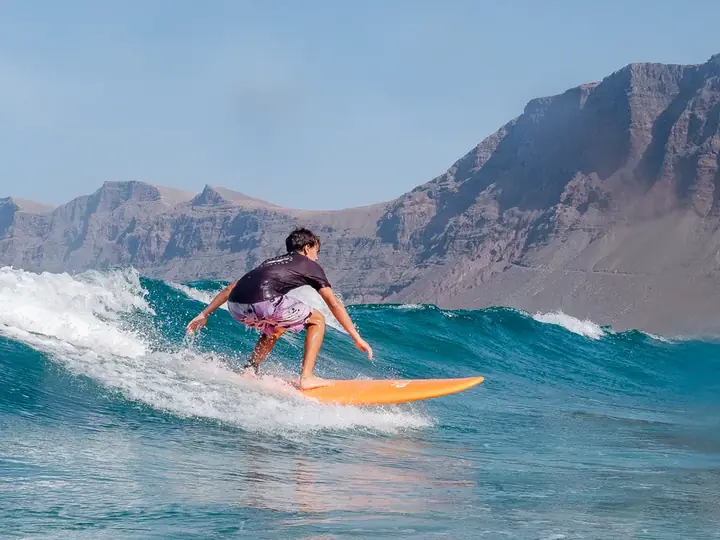
Surfing
Famara for all levels, La Santa for experts. Consistent waves, certified local schools and gear rental on the beach.

Golf
Costa Teguise Golf and Lanzarote Golf: two 18-hole courses on volcanic landscape. Play all year, PRO lessons available.
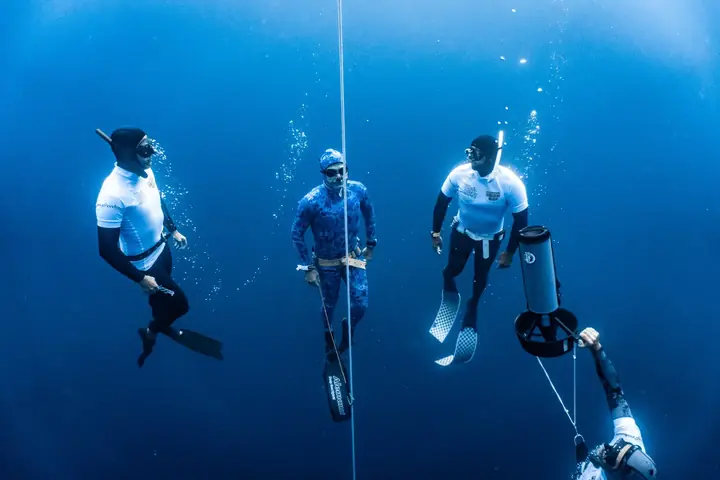
Freediving
Crystal-clear waters (20–30 m visibility), caves, volcanic walls and the Museo Atlántico. AIDA and SSI courses all year.
Frequently asked questions
- How many days are enough for Lanzarote?
- 5 days lets you see the essentials without rushing. 7 days adds La Graciosa or more beaches. 10 days lets you live Lanzarote like a local.
- Is Lanzarote safe to travel to?
- Yes, one of the safest destinations in Europe. Low crime rate, good health infrastructure and reliable emergency services.
- Do I need a visa to visit Lanzarote?
- Lanzarote is Spain (EU). Citizens of the EU, UK, Switzerland, US and many other countries don't need a visa for tourist stays.
- What currency is used?
- Euro (€). Easy to exchange at any office or ATM. Cards accepted in practically every business.
- Is Lanzarote expensive?
- Slightly more than other Canary Islands but cheaper than Mallorca or Ibiza in high season. Local food at guachinches: 15–25 €/person. Tourist restaurant: 30–50 €.